On 2026, 6, 10, Professor Wang Zhiqiang, Dean of the School of Veterinary Medicine at Yangzhou University, along with Professor Hu Shunlin and their delegation, visited Zhongkai Xinshen. The two parties held a cooperation negotiation meeting, engaging in in-depth discussions on joint vaccine R&D, China-Brazil economic and technical cooperation, and international talent development, officially launching a new chapter of deep school-enterprise collaboration.
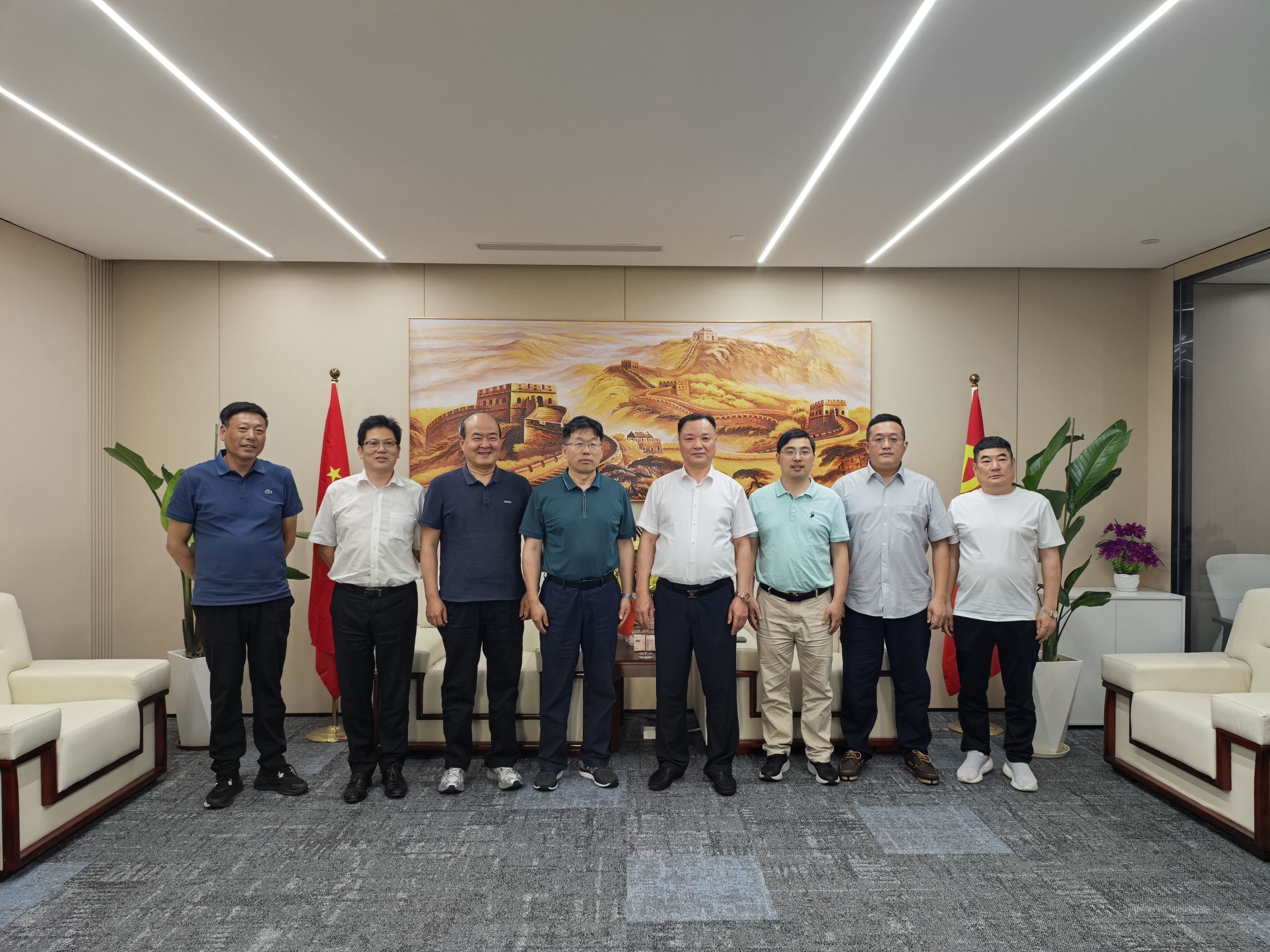
Group photo of the meeting between Yangzhou University College of Veterinary Medicine and Zhongken Xinshen
Meeting Overview
The meeting was chaired by Chairman Wang Jin, with relevant enterprise management personnel in attendance. As a secondary-level unit of the Ministry of Agriculture's central state-owned enterprise, Zhongken Xinshen is rooted in agriculture and veterinary medicine, closely following the "Belt and Road" global expansion strategy to build a comprehensive business chain covering trade, R&D, production, and talent development. The company's livestock and poultry vaccine business has been established in Pakistan, extending its reach to 13 countries across West Asia and South Asia.
Enterprise Planning
At the meeting, Chairman Wang Jin outlined the company's overseas expansion plan: the company will fully fund a joint technical laboratory with Yangzhou University to collaborate on vaccine R&D and product iteration. A vaccine manufacturing plant in Pakistan is scheduled to be completed within 6-10 months, with production commencing by 4 of year 2027. The business roles were also clearly defined, with dedicated personnel responsible for vaccine procurement in Pakistan, supply chain development, product selection, and technology implementation.
Institutional Advantages
Dean Wang Zhiqiang highlighted Yangzhou University's College of Veterinary Medicine's strong research capabilities, featuring a top-tier R&D team and significant advantages in livestock and poultry vaccine technology—approximately a decade ahead of Pakistan. The university has established two primary models for technical cooperation: joint R&D and commercialization of research outcomes. It also opened pathways for Sino-foreign collaborative education through programs such as 2+2 and 3+1, with plans to create China-Pakistan specialized classes and launch international exchange initiatives including faculty and student exchanges and joint research projects. Given current industry trends, both parties agreed that leveraging policy opportunities to expand globally together represents a mutually beneficial development direction.
Partnership Arrangement
Following consultations, both parties have finalized the next steps: Yangzhou University will lead the application for a China-Pakistan Joint Laboratory. In the next phase, both sides will refine plans for talent development and academic collaboration. The company team will travel to Pakistan at the end of the month for on-site coordination, while the university will assign dedicated staff to oversee the implementation of international cooperation initiatives.
Future Outlook
This negotiation marks the transition of our partnership into a phase of substantive progress. In the future, Zhongkeng Xincheng and the School of Veterinary Medicine at Yangzhou University will join forces to build an integrated overseas vaccine value chain covering R&D, production, and promotion. This initiative will advance Chinese veterinary technologies and products on the global stage and foster deep cooperation between China and Brazil in agriculture.
Source: Zhongken Xinshen Technology Development Co., Ltd.